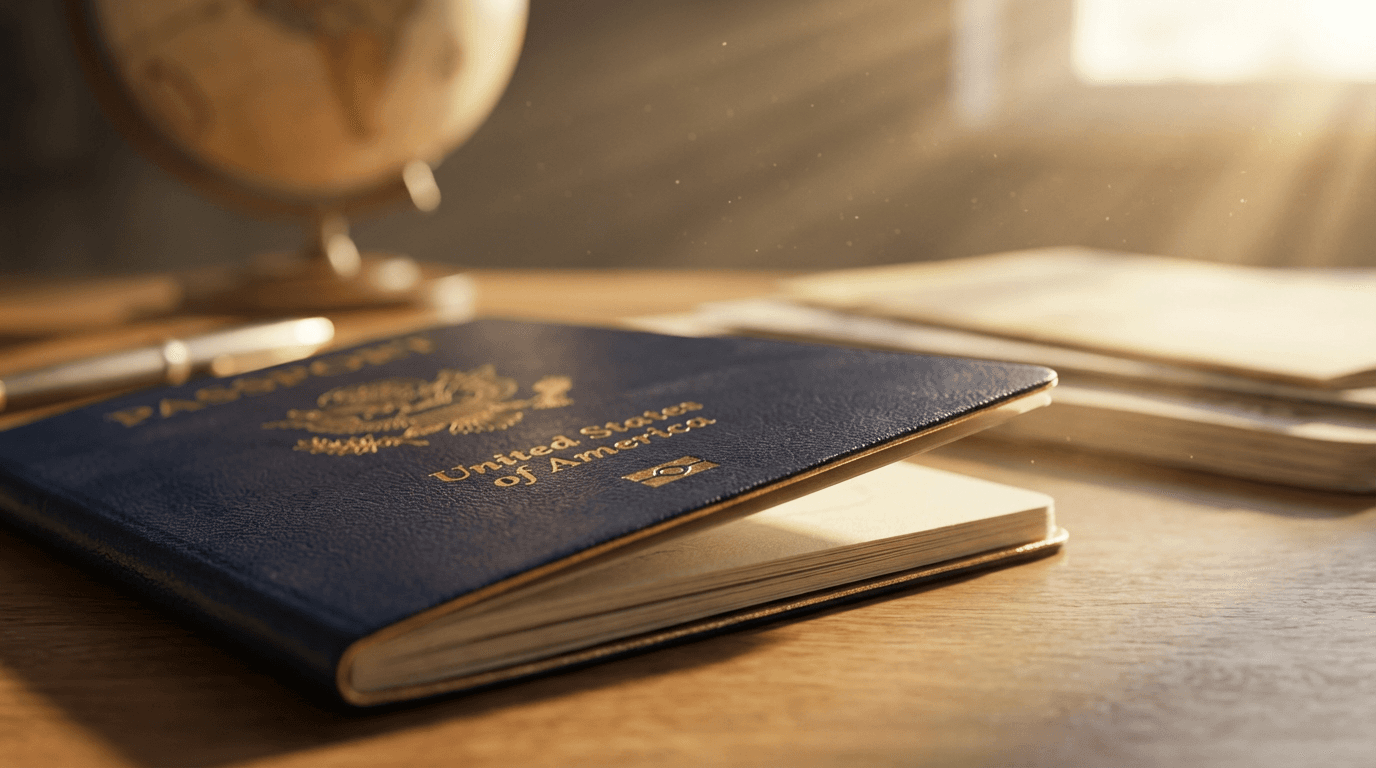
Planning successful international travel with kids involves securing travel documents like passports and immunization records while selecting age-appropriate activities that allow for movement. Families should stay flexible and involve children in the destination choice to ensure their first international trip is both engaging and manageable.
Navigating the complex landscape of international regulations while managing the unpredictable nature of young travelers can overwhelm even the most seasoned professional. The bureaucratic hurdles, ranging from notarized consent forms to expiring passports, often transform a prospective vacation into a significant administrative burden. Ensuring seamless transit across borders requires more than just enthusiasm; it demands precise logistical foresight and rigorous documentation management. Failure to align your family's credentials with specific global entry requirements can result in costly delays or denied boarding at the gate. This guide provides a strategic framework for managing every technical facet of your journey. You will learn to navigate essential paperwork for minors, optimize flight logistics, and utilize digital portals for document tracking. We will also detail how to leverage expedited programs like Global Entry to streamline your airport experience from departure to arrival.
Essential Documents for Traveling Abroad with Minors

Success in international travel with kids begins long before you reach the airport, starting with the meticulous assembly of government-issued credentials. A frequent oversight for first-time family travelers is the validity period of a minor's travel documents. While adult passports are valid for ten years, passports for children under the age of 16 are only valid for five years. This discrepancy often leads to the discovery of an expired document just days before a trip. Checking these expiration dates should be your first priority when planning.
Applying for a child’s passport involves stricter logistical requirements than an adult renewal. Both parents or legal guardians must generally appear in person with the child at a passport acceptance facility. If one parent is unable to attend, you must provide a notarized DS-3053 Statement of Consent form. For families in need of professional visa assistance, these specific administrative requirements are the most common causes of processing delays.
Essential Document | Specific Requirement |
|---|---|
Child's Passport | Must be valid for at least 6 months beyond travel dates. |
Evidence of Parentage | Original or certified copy of the birth certificate or adoption decree. |
Immunization Records | International Certificate of Vaccination or Prophylaxis (Yellow Card). |
Notarized Consent | Required if one parent is not traveling with the group. |
Beyond basic identification, international immunization records are increasingly critical. Certain destinations require proof of specific vaccinations for entry, and these records should be kept in your carry-on luggage rather than checked bags. When requesting a custom travel package quote, ensure you verify the health entry requirements for your specific destination. Furthermore, securing specialized travel insurance guidance is vital for ensuring that pediatric-specific medical emergencies are covered. The most common administrative gotcha at border control is a name discrepancy between a parent's ID and the child's birth certificate; always carry the original documentation to resolve these queries quickly.
Traveling with One Parent: The Consent Letter Requirement
Navigating border control when traveling with a child internationally one parent requires more than just a passport and a birth certificate. Customs agents are highly trained to identify and prevent potential child abduction cases; this makes a Notarized Letter of Consent a non-negotiable part of your travel kit. This document acts as a formal statement signed by the non-traveling parent or legal guardian, explicitly granting permission for the minor to travel abroad with the other parent.
International travel with kids involves strict scrutiny, and without this letter, solo parents often face intensive questioning or even denial of boarding at the gate. The U.S. Customs and Border Protection (CBP) strongly recommends that any child traveling without both parents carry a written authorization. If the other parent is deceased or you have sole legal custody, you must instead carry certified copies of the death certificate or the court order granting sole custody to verify your right to travel alone with the child.
For parents preparing in Huntsville, finding these templates is straightforward. You can typically find standard forms on the U.S. Department of State website or via our professional visa assistance resources. The most critical step is the notarization. A signature alone is rarely sufficient at international checkpoints. The document must be notarized before you head to the airport to ensure its legal validity across borders. Managing these specific legal requirements early in your planning, ideally while requesting a custom travel package quote, prevents the stress of last-minute scrambles for a notary.
Choosing Your First International Destination for Families

Selecting the right location is just as important as securing the proper paperwork. Finding the best first international trip for families often means prioritizing low friction destinations where logistics do not overshadow the experience. For travelers based in Huntsville, Texas, proximity to major hubs like Bush Intercontinental Airport makes Mexico and Costa Rica premier choices. These regions offer shorter flight times, high quality medical facilities, and widespread English proficiency, which significantly lowers the stress of navigating a new country with young children.
Adopting a slow travel philosophy is particularly beneficial for those with toddlers. While seasoned solo travelers might be used to visiting three cities in a week, families find more success by staying in one home base for the duration of the trip. Moving slower allows children to acclimate to a new time zone and environment without the constant disruption of packing and transit. This stability helps maintain nap schedules and feeding routines, which are the primary defenses against travel fatigue.
It is equally vital to curate an itinerary that favors open spaces over museum heavy schedules. Research consistently shows that long periods of quiet, indoor observation often lead to behavioral meltdowns in younger children. Destinations that feature nature based excursions, such as the rainforests of Costa Rica or the coastal regions of Mexico, provide the stimulation children need while offering the flexibility parents require. When requesting a custom travel package quote, look for accommodations with separate living areas to ensure everyone gets restorative sleep. This planning stage is also the ideal time to review specialized travel insurance guidance to ensure your family is covered for any unexpected medical needs abroad.
Flight Logistics: Booking and Onboard Strategies
Successful transit depends on aligning your airline reservations with your family's biological clock. When flying with kids international, specialized booking strategies take precedence over simply finding the lowest fare. For long haul routes, aim for night flights that depart near your child's bedtime. This increases the likelihood that a significant portion of the journey is spent sleeping, which drastically reduces the number of hours you must fill with active entertainment.
Seat selection is another tactical decision that impacts the onboard experience. For families traveling with toddlers internationally, booking a single row is typically the most manageable configuration. This setup allows one parent to handle feeding and hygiene while the other manages the surrounding gear. However, for slightly older children, some parents find success booking seats across the aisle from one another; this provides a sense of independence and extra elbow room while keeping everyone within arm's reach for supervision.
Keeping a toddler occupied in a confined space requires a rotating cycle of novelty. A proven method involves the dollar store toy strategy. Purchase several small, inexpensive items before your trip and wrap them individually. Presenting one new gift every hour or two provides a sustained sense of excitement that can prevent boredom induced outbursts.
Logistics extend beyond the cabin to the airport environment itself. When utilizing the Aciog portal for flight assistance, we focus on identifying kid friendly layovers. Certain international hubs offer dedicated soft play areas and family lounges that allow children to burn off energy between flight segments. These logistical details are often overlooked by standard booking engines but are central to the custom travel package quote process. Ensuring your itinerary includes manageable connection times is just as vital as having your professional visa assistance finalized well before departure.
Managing the Portal: Tracking Your Family Documentation

Managing the administrative burden of international travel with kids often peaks during the weeks leading up to departure. For Huntsville families, the Aciog appointment portal centralizes these moving parts into a single digital dashboard. Instead of tracking separate emails or physical folders for each child, parents can manage the entire family's visa status from one interface. This system provides real-time updates on processing times, which is particularly useful when managing the stricter documentation requirements for children under 16 described in previous sections.
Security is as critical as convenience. The portal functions as a protected repository for your specialized travel insurance guidance and high resolution copies of passport pages. If a document is lost while abroad, having immediate access to these digital backups via the dashboard can prevent a minor mishap from becoming a logistical crisis. When you request a custom travel package quote, the portal integrates these details into your personal timeline. This ensures that every milestone, from initial professional visa assistance to final departure, is visible and organized. By consolidating these disparate elements into a localized, secure hub, the portal eliminates the common stress of first time international planning and provides a structured path toward your destination.
Travel Insurance and Health Preparedness
While the portal keeps your documentation organized, the quality of your health preparedness determines how you handle the unexpected. Standard medical coverage often falls short during international travel with kids, specifically because children are statistically more prone to acute issues like ear infections from pressure changes or sudden digestive sensitivities. Selecting specialized travel insurance guidance ensures your policy covers pediatric specific needs, including medical evacuation to facilities with dedicated children’s wings if local care is insufficient.
Your pre-arrival checklist must include securing both digital and physical copies of your insurance ID cards. While the Aciog dashboard provides a secure digital fallback, many overseas clinics require a physical document to initiate treatment without upfront out of pocket deposits. Before departure, print two copies; keep one in your primary carry-on and the other in a secure hotel location.
Health preparedness also extends to a curated medical kit. Unlike the generic lists found in student pre-arrival guides, a family kit should include liquid versions of common medications, as tablets can be difficult for toddlers to take under stress. If your child requires prescription medicine, ensure the pharmacy label matches the name on their passport exactly. This attention to detail, paired with a custom travel package quote, bridges the gap between a standard vacation and a professionally secured family expedition. If you need help coordinating these requirements with your travel authorization, our team provides professional visa assistance to ensure all health-related entry mandates are met.
Expediting the Airport Experience: Global Entry and TSA PreCheck for Kids
Navigating airport security during international travel with kids requires an understanding of Trusted Traveler Program nuances that differ significantly from adult-only travel. A common misconception involves Global Entry; unlike some lounge access policies, every traveler, including newborns and toddlers, must possess their own individual Global Entry membership to use the expedited lanes. If a parent has Global Entry but the child does not, the entire family must use the standard customs line upon re-entry to the United States.
TSA PreCheck offers slightly more flexibility for domestic legs of your journey. Children 12 and under may accompany a parent or guardian who has the PreCheck indicator on their boarding pass without needing their own Known Traveler Number. For teenagers aged 13 through 17, the same rule applies provided they are traveling on the same reservation, though the TSA reserves the right to require standard screening for this age group at random.
Securing these memberships early is as vital as obtaining professional visa assistance. When you request a custom travel package quote, consider the time required for background checks and interviews. Properly coordinating these technicalities, alongside specialized travel insurance guidance, ensures that the final hurdle of your journey remains the least stressful part of the experience.
Preparing for international travel with children involves balancing essential legal paperwork with practical logistical needs. While managing passports and consent forms is vital, ensuring your family stays in a comfortable environment is equally important for a stress free trip. If you want expert help organizing these finer details, our team is ready to simplify the process for you. We can assist you in selecting family friendly Hotels and coordinating your travel appointments. Let us handle the complexities so you can focus on making lasting memories.